We visited the burying ground first thing to study the gravestones. Many of them were from the mid-1700s or even older. We couldn't find the one young woman who was buried in this burial ground and had been accused and hung for being a "witch". However, we very much enjoyed studying the different graves.


We then moved on to The Witch History Museum. We chose this museum because it was supposed to be historically accurate and didn't sensationalize this tragic event in history. It was very well done. The museum started off with a small lecture and them moved through the story of the witch trials while walking past wax displays.


We also visited the Salem Wax Museum, which told all about pirates, maritime history and the witch trials. It was old and a bit outdated, but interesting.

We saved the best for last. We toured the House of the Seven Gables, made famous by American author Nathaniel Hawthorne's 1851 novel, The House of the Seven Gables. It is a 1668 colonial mansion in Salem, Massachusetts, named for its many gables. Hawthorne was a relative of the family who inherited this home and was entertained in this house. Later, he wrote a novel about it. We all found this tour to be fascinating. I always learn something new when touring a historic home. I learned about the water bucket fire brigade and how each home had their own leather buckets with their street address stamped on them, so that everyone would know who showed up (or didn't show up) to put out a fire. It was a good way of shaming everyone into getting the job done when there was a house fire. The kids loved all the hidden passages and the hidden stairwell in the chimney.

 |
| This bed and its textiles comprised one-third of the family's wealth and was right in a room where they entertained. |
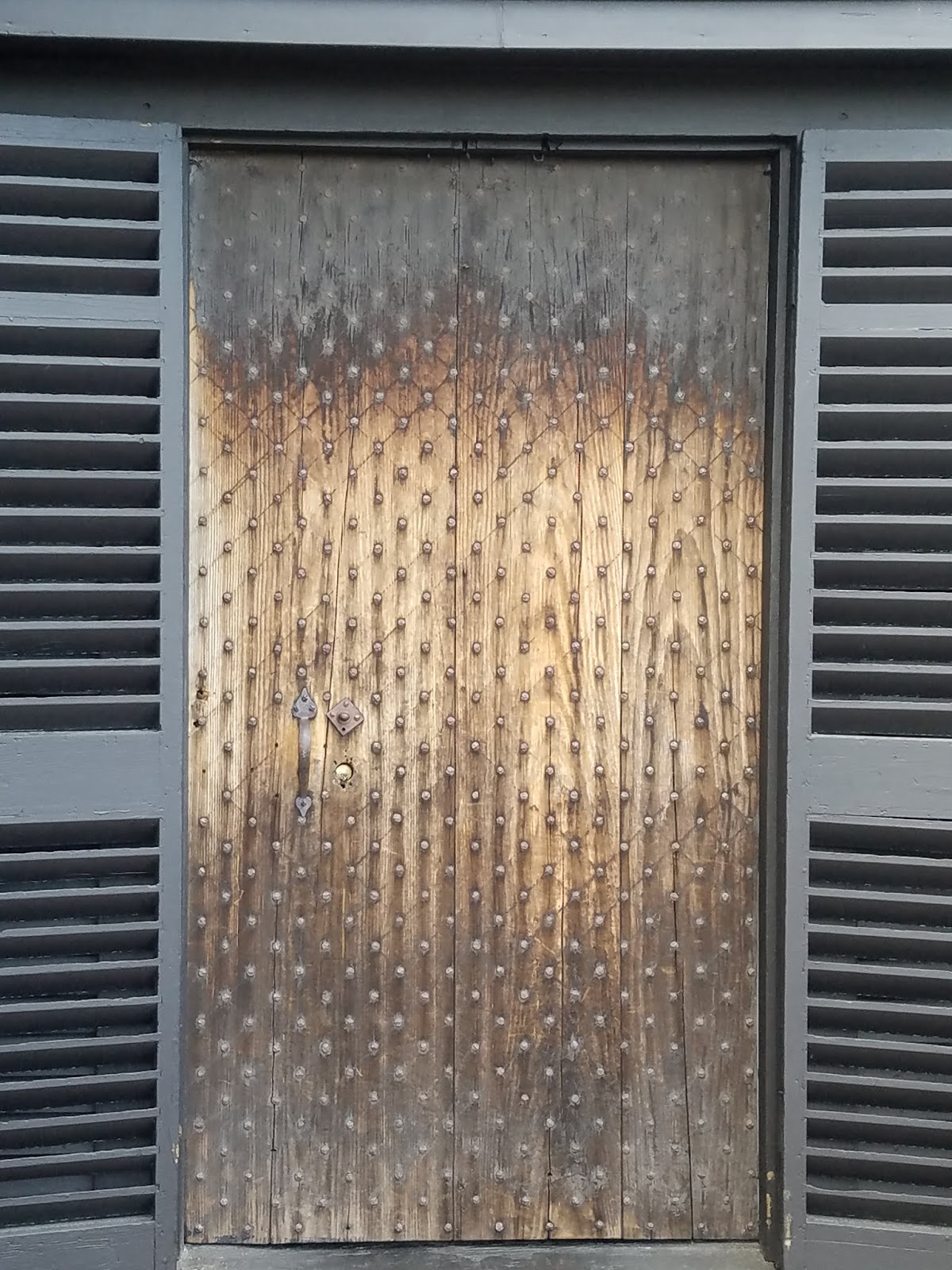 |
| The door has 500 nails in it to show the wealth of the family. (Nails came from England and were expensive.) |

Leather fire buckets


One more fun picture, just because ~


Blessings, Dawn